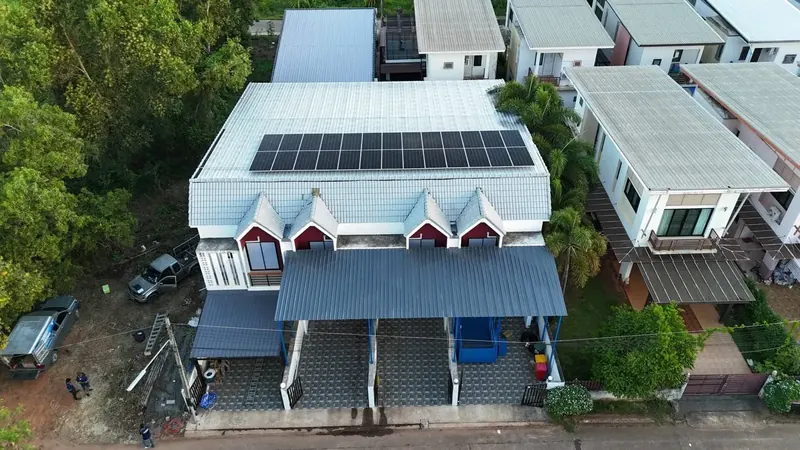
For restaurants and cafés, electricity is a large fixed cost — and one you can reduce without touching the quality of the food or the customer experience at all.
Opening hours decide it
This is the single most important factor, more important than the size of the place or the size of the bill.
| Type of business | How well it pays |
|---|---|
| Café open morning to evening | Best of all — power is used right when it's generated |
| Restaurant open lunchtime to evening | Good — half the opening hours overlap with generation |
| Open only evening to late night | Poor — power generated during the day goes unused |
| Any place with fridges running 24 hours | Much better, even if it only opens in the evening |
The last row is an important exception. A place that opens only in the evening but has fridges or a cold room running all day still has a daytime load to soak up the power generated, so it pays off better than you'd think.
Restaurant loads that suit solar
- Fridges and freezers — they run nonstop and are the best base load.
- Ice machines — they work hardest in the heat of the day, which matches generation.
- Air-conditioning — the biggest load, and heaviest in the afternoon.
- Coffee machines and water heaters, for cafés that trade during the day.
- Kitchen exhaust fans that run whenever cooking is going on.
The loads that don't fit are lighting and illuminated signs, which are used heavily in the evening — but these are usually a small share compared with the cooling equipment.
Common limitations in restaurants
Roofs with kitchen grease
Places with an open kitchen and an exhaust vent on the roof get a film of grease mixed with dust on panels near the vent. It's harder to clean than ordinary dust, and rain won't wash it off.
The fix is to lay out the panels away from the vent and to know in advance that they'll need cleaning more often than usual.
Roof space already in use
Restaurant roofs often hold air-conditioning compressors, water tanks and grease traps, so there is less space left than it looks from the outside. That's why an actual site survey matters more than looking at satellite images.
Rented premises
If you rent, you need the owner's written consent and a clear agreement on what happens to the system when the lease ends. Consider whether the remaining lease is long enough for the system to pay back.
Installation without closing the business
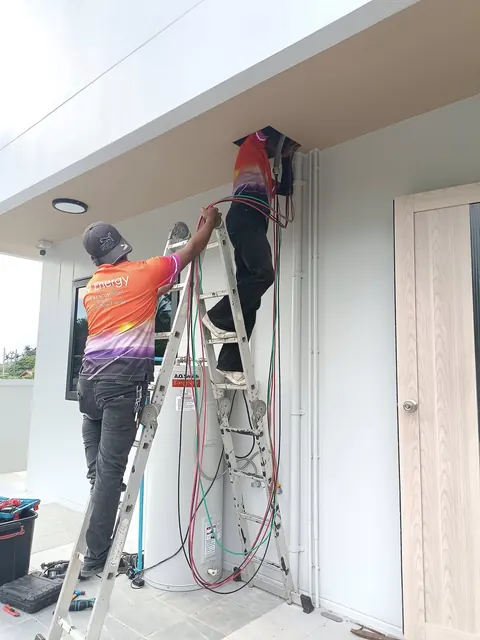
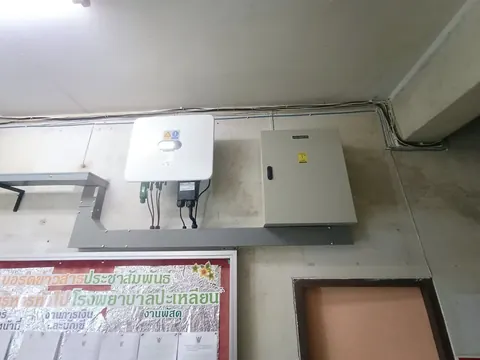
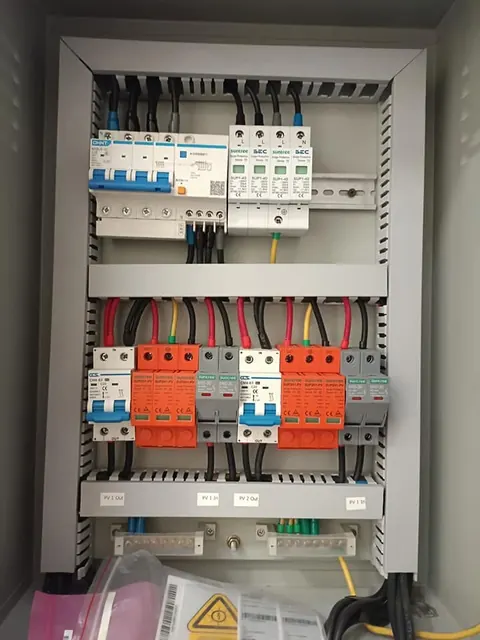
Most of the work happens on the roof without affecting trade. The power only has to be cut when connecting to the main electrical panel and when PEA (the Provincial Electricity Authority) changes the meter — and we can schedule that on your day off or before you open.
What needs discussing in advance is your fridges: if the power is off too long, stock may spoil. We plan the shutdown to be as short as possible and give you clear timing ahead of time.
Frequently asked questions
My place is small and the bill isn't big. Is it worth it?
If your bill is below roughly THB 3,000 a month, the payback period gets so long that it may not justify the money — unless you have fridges or an ice machine running all the time, which raises your share of daytime use and can change the result.
Can the savings on electricity go straight into the accounts as lower expenses?
The lower electricity bills are a direct reduction in expenses, and the system itself is an asset that can be depreciated under accounting rules — a benefit homes don't get. We recommend asking your accountant for the exact tax effect.
Related services and areas
Keep reading
- Can You Put Solar on a Shophouse or Commercial Building?A small roof but heavy daytime use — a completely different equation from a detached house, and one that often turns out better than people expect.
- Is Solar Worth It for Cold Storage and Ice Plants?Compressors that run all the time are the load that absorbs daytime solar power best — and cold storage is a core industry in Songkhla and Nakhon Si Thammarat.
- Why Is My Solar Output Dropping, and Can I Check It Myself?Solar systems rarely die completely. More often they slowly produce less with no warning — and the way to catch it is to look at your generation history.