Solar for Oil Palm Plantations, Collection Yards and Mills
Oil palm is a semi-industrial business. The main loads are at the collection yard and sorting shed, which run machinery all day — not out in the plantation itself.
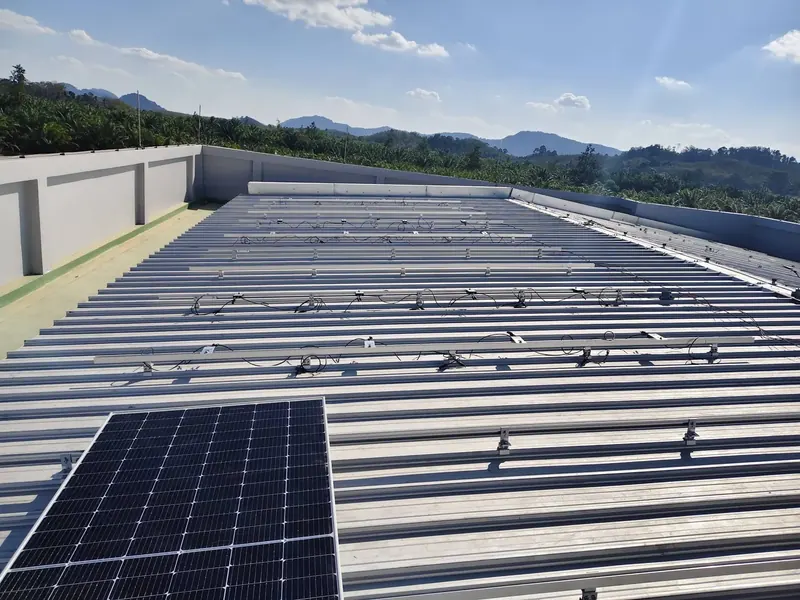
Work on factory and wide-span building roofs by our team
What's realistic
A rooftop system can't cover a large mill
Palm oil mills use power on a scale where even the entire factory roof can't generate enough for the production line. That is a physical limit, not something you can fix by adding more panels.
What is realistic and worthwhile is covering the parts a roof-sized system can handle — offices, support buildings, lighting and some of the pumps — which still takes a large amount off the bill every month.
We don't promise to bring a mill's electricity bill to zero, because that is not possible from an engineering point of view.
Which palm businesses it pays off for
Collection yards and buying points
They take in fruit during the day, so conveyors and scales run exactly when the panels generate.
Sorting sheds and fruit stores
Wide-span metal sheet roofs can carry a large system, with lighting loads that run all day.
Mill support buildings
Offices, control rooms and pump systems can be fitted without affecting the production line.
Newly planted palms that need watering
Pumping is a daytime load that suits a solar pump system well.
Mature, rain-fed palm plots
There is no load to use the power generated. In this case solar is not yet worth installing.
The loads we design for
Where a palm business's electricity goes
We size the system from these real loads, not from how much empty roof space there is.
Conveyors and weighbridges at the collection yard
Collection yards take in fresh fruit bunches mainly in the daytime. Conveyors, truck scales and weight-recording systems are the loads that line up best with solar generation.
Sorters and bunch shredders
Large motors that draw a high current at start-up and run continuously through each buying round. These are the loads that decide which inverter model you need.
Mill pumps and wastewater treatment
Palm oil mills use a lot of water, both in processing and in wastewater treatment. These pumps run throughout working hours — a base load that absorbs almost all daytime generation.
Offices and support buildings
Air-conditioning, IT systems and the mill control room all use power during working hours. This is the easiest part to install on, because it doesn't affect the production line.
Yard and fruit-store lighting
Wide yards and warehouses keep their lights on all through working hours, even in the daytime, because the roofs are enclosed. It's a steady load that stops generated power flowing away unused.
Pumps for newly planted palms
Young oil palms need watering in the dry season until their roots are established. Plots without a grid connection are better served by a solar pump set installed right where the water is needed than by running power lines out to them.
Payback for businesses that use most of their power in the daytime is around 4–7 years, estimated at THB 4.20per kWh and Southern Thailand sunshine. Actual results depend on each business's load.
What decides your start date
The permit process takes longer than the installation
On factory-scale jobs, most of the time goes into paperwork, not roof work. We give you the full timeframe when we quote, so you can plan production around it.
Electrical drawings certified by an engineer
Large users must submit far more detailed drawings than homes, including structural calculations showing the roof can carry the panels.
Anti-backfeed protection
It has to be installed and demonstrated to the inspector that power from the system does not flow back into the grid. This is a mandatory PEA requirement.
Site inspection and meter change
The PEA inspection queue decides the real start date — not the day installation finishes.
Planned shutdowns
A factory can't easily stop its production line, so we group all work that needs the power off into a single shutdown, scheduled on a holiday or during your annual maintenance.
FAQ
What oil palm business owners ask us most
Can a palm oil mill use solar? It uses a huge amount of power.
Yes, but you have to be clear about which part the system will cover. A large mill uses power on a scale that a rooftop system can never fully cover. What is realistic and worthwhile is covering the offices, support buildings, lighting and some of the pumps, which still takes a large amount off the monthly bill. We don't promise to bring a mill's electricity bill to zero, because that is not possible from an engineering point of view.
Is the permit process for a factory very different from a home?
Very different, and it is this process — more than the installation time — that decides when the system actually starts running. Large electricity users have to file many times more paperwork with the PEA (Provincial Electricity Authority) than homes: electrical drawings certified by an engineer, a check of the anti-backfeed protection, and an on-site inspection appointment. We give you the timeframe for this process when we quote.
Palm collection yards are dusty. Will the panels get dirty quickly?
Noticeably faster than on an ordinary site. Dust from palm bunches and soil from trucks driving in and out hangs in the air all day. Dust that settles on the panels blocks light and reduces output. So we discuss the cleaning schedule at the design stage, and choose the layout and tilt with enough access for the panels to be cleaned easily.
Mills produce a lot of steam and humidity. Does that affect the equipment?
It does. Sterilizing the fruit bunches releases steam continuously, so the area around a mill is far more humid than a typical factory. Constant high humidity speeds up corrosion at electrical connections and can cause condensation inside control cabinets. We choose enclosures with a higher protection rating than on ordinary jobs, and place the inverter away from the path of the steam.
Can warehouse and sorting-shed roofs take the weight?
An engineer has to check every time. These buildings have wide-span metal sheet roofs designed to carry only the original roof load, especially warehouses that were built long ago. Panels plus mounting weigh around 12 to 15 kg per square meter, which most buildings can take, but we don't judge it by eye. There has to be a certificate, because it is also used in the permit application.
Is solar worth it for a palm plantation with no collection yard?
If nothing in the plot uses electricity, it isn't worth it yet — the same as a bare rubber plantation. Mature oil palms rely mainly on rainfall and don't need irrigation, so there is no pump load to use the power. Solar makes sense for plantations with their own collection yard, a fruit store, or newly planted palms that need watering in the dry season. We look at your electricity bill first to see whether you qualify.
Do tall palm trees block the sun?
Mature oil palms grow to around 10 to 15 meters with wide-spreading fronds, so buildings in the middle of a plantation are shaded in strips at certain times of day. Strip shading makes panels wired in series lose more power than the shaded area alone would suggest. So we group the strings according to the real shade on site, or put the panels on the collection-yard roof, which stands in more open ground.
Other farm work
Other crops we install solar for
Each crop uses power differently, and each needs a different system design.
Get a quote for your palm business
Send us 12 months of electricity bills so we can see the real difference between your high and low harvest seasons. We'll recommend the size that fits your real usage.
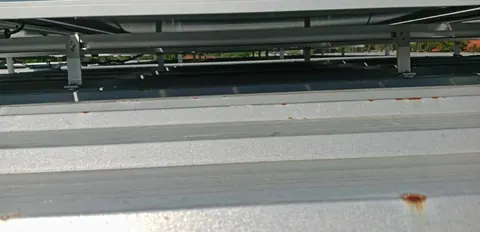
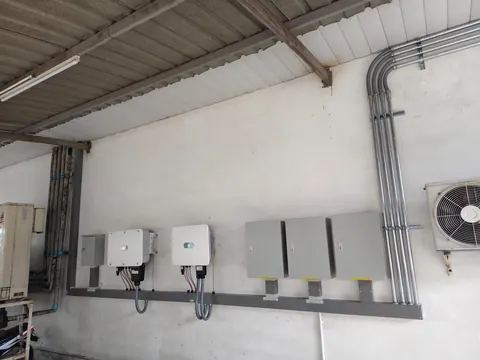
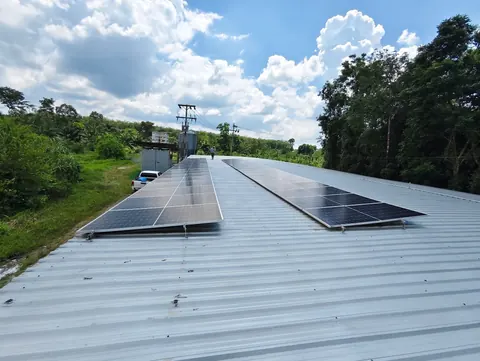
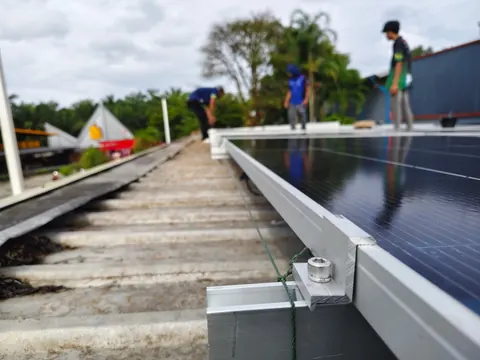
Work on factory and wide-span building roofs. See all projects
Read before you decide
- Solar Water Pumps for Rubber Plantations and Shrimp Ponds: How to ChoosePumps run during the day, exactly when panels produce power, and their timing is flexible — which makes them one of the most cost-effective uses of solar.
- Can Lightning Strike Solar Panels? The Protection You Need in Southern ThailandRooftop panels don't attract lightning the way many people fear, but surge damage from a nearby strike is real — and it can be prevented.
- Monthly Bill of THB 3,000, 5,000 or 10,000 — What Size Solar System Do You Need?The best-value size is not the largest your roof can hold — it is the size that matches the electricity you use during the day.