PEA permits for solar installations
Every province in the South is served by the Provincial Electricity Authority (PEA), whose process is different from Bangkok's. We handle every step, so you never have to deal with the authorities yourself.
The part people overlook
Paperwork decides when your system can start running
Going solar involves more than putting panels on the roof. The rooftop work takes only a few days, but several agencies have to sign off before the system can actually run.
In the South, this process runs through the PEA rather than the Metropolitan Electricity Authority (MEA), which covers Bangkok. The forms, the steps and the fee rates are all different.
We work with PEA offices across Southern Thailand regularly, so we know what each office asks for and how their queues run.
Buying or owning property here as a foreigner? See our guide to solar for expats and foreign owners.
Every agency involved
PEA — Provincial Electricity Authority
Authorizes connection to the distribution network, inspects the equipment and changes the meter.
ERC — Energy Regulatory Commission
Receives the notification for exemption from a power generation business license for systems under 1,000 kVA.
A licensed engineer
Certifies the roof structure and the electrical system in writing.
The local authority
Receives the building modification permit application — only when the project exceeds the exemption threshold.
The full process
6 steps from start to a running system
Every step marked as ours is handled by our team from start to finish.
Step 1: Check the basic conditions
Whether your meter is single-phase or three-phase, whether the planned system is large enough to need a building modification permit, and whether the local transformer can still accept more generating capacity.
We check this during the site survey
Step 2: Engineer certification of structure and wiring
A licensed engineer calculates and signs off that the roof can carry the load and that the electrical system is designed to standard. This document is required in every case.
We arrange the engineer
Step 3: File the ERC license exemption
Systems under 1,000 kVA are notified to the ERC (Energy Regulatory Commission) to be exempted from a power generation business license, instead of applying for a full license.
We file it for you
Step 4: Apply to PEA for grid connection
The parallel-connection application goes in with the system drawings and equipment list. PEA checks that the inverter is on its list of approved models.
We file it for you
Step 5: PEA inspects the installation
PEA officers inspect the finished installation to confirm it matches the submitted drawings and that all protective devices meet the standard.
Our technician is on site with them
Step 6: Meter change and grid connection
PEA swaps in a meter that supports solar generation and authorizes the connection to the distribution network. Only then can the system start running.
Done by PEA — we book the appointment
What you need to prepare
The documents you need — that's all
Beyond this list, everything else is our job: drawing up the plans, finding the certifying engineer, filling in the forms and following the application through each agency.
- Copy of the meter owner's ID card
- Copy of the house registration book (tabien baan) for the installation address
- Your latest electricity bill, or a copy of an invoice showing the customer account number
- Proof of ownership of the building, such as the title deed or sale contract
- Company affidavit / certificate of registration (only if the applicant is a company)
- A power of attorney, if you authorize us to act on your behalf
The name on the documents must match the name of the meter owner. If it doesn't, a letter of consent from the meter owner is also required. This often comes up with homes whose meter is still in a parent's name or the previous owner's name — we can help you sort it out.
Fees
Which money goes to whom
We keep a clear line between our own charges and the fees paid directly to government agencies.
Inspection and grid connection fee
Paid directly to PEA. It covers the officers' inspection of the installation and approval of the grid connection.
Meter change fee
Paid directly to PEA. The rate differs between single-phase and three-phase meters.
ERC exemption filing
No fee, for systems with a generating capacity under 1,000 kVA.
Engineer certification
A professional fee for the engineer, not a government charge. It is already included in our quote.
Our paperwork handling
Included in the installation price — there is no separate charge.
Electricity authority fees are revised from time to time. We check the current rates with the PEA office in your area and write the actual figures into your quote.
FAQ
The permit questions we hear most
Why do applications in Southern Thailand go to PEA and not MEA?
The Metropolitan Electricity Authority (MEA) only covers Bangkok, Nonthaburi and Samut Prakan. The rest of the country — including all of the South — is served by the Provincial Electricity Authority (PEA), which uses different forms, procedures and fee rates from the MEA.
How long until the system can start running?
The rooftop installation takes only a few days, but the paperwork and appointments with the electricity authority decide when the system can actually start. In total it typically takes around 1 to 3 months for a home, and 2 to 4 months for larger commercial projects. It also depends on the queue at the local PEA office.
Can I install first and get the permit later?
We strongly advise against it. Connecting a system to the distribution network without permission risks fines and an order to remove it. It also causes problems when you sell the property and when you claim on fire insurance, because undeclared modifications to the electrical system can void the policy. We don't take on jobs where the customer asks us to skip this step.
What fees are paid to the electricity authority?
Mainly the inspection and grid connection fee and the meter change fee. These are paid directly to the electricity authority, not through us. The ERC license exemption filing for systems under 1,000 kVA carries no fee. These rates change from time to time, so we check them with the PEA office in your area and put the current figures in your quote.
Do I also need a building modification permit (Form Or.1)?
It depends on the size and weight of the system. Ministerial regulations set exemption thresholds for installations whose area and weight stay within set limits. Typical home systems usually fall within the exemption, while larger commercial projects often need to apply. We check each case during the site survey, and if an application is needed we file it with the local authority for you.
I bought my own equipment. Can you just handle the paperwork?
That has to be discussed case by case. Certifying a system requires knowing where the equipment came from and the quality of the installation — an engineer cannot sign off on work they did not supervise. The inverter you bought also has to be on PEA's approved list, and not every model sold on the market is.
No running between offices — we handle it all
All the paperwork is included in the installation price. You just provide copies of your personal documents and an electricity bill — we take care of the rest.
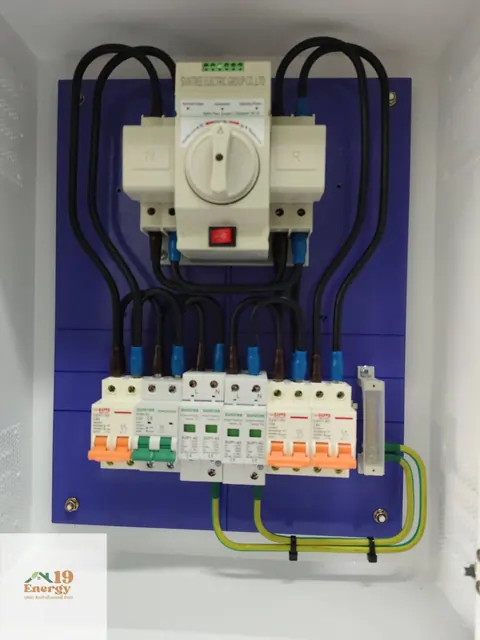
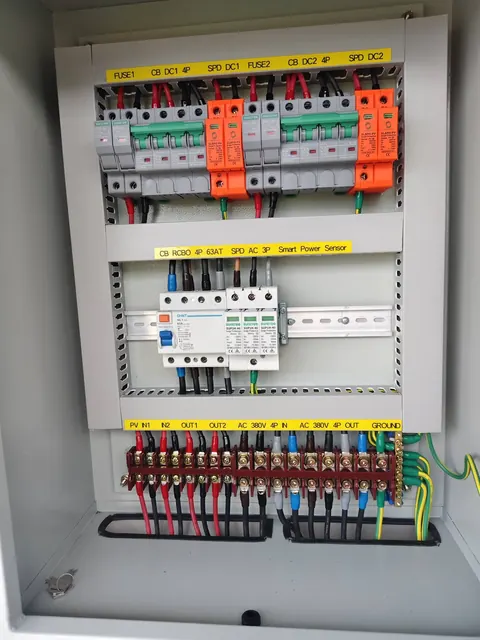
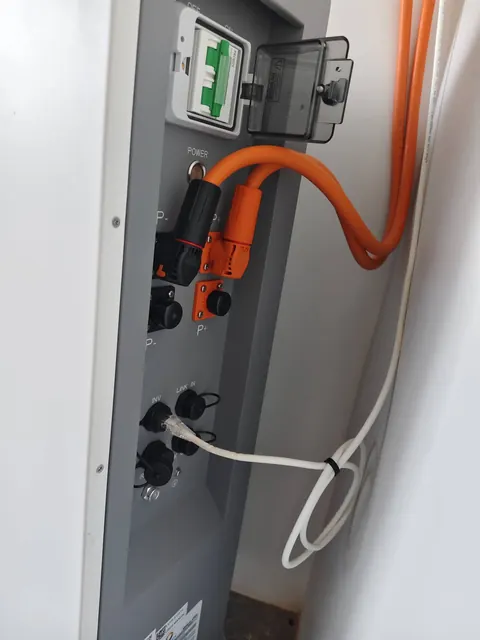
Control cabinets and connection points that must pass the electricity authority's inspection. See all projects
Read before you decide
- PEA Meter Replacement Fees Are Much Lower in 2026 — Check the Current RateThe new 2026 PEA meter fees start at THB 3,300, well below the THB 8,500–9,000 set under the 2019 rules. Here's how to check which figure your quote uses.
- Single-Phase vs Three-Phase Power: Do You Need a New Meter for Solar?Your home's power supply sets how big a solar system you can install — and it's worth knowing early whether you need a new meter, which is a separate cost.
- How Long Does Solar Installation Take, From Signing to Switching On?The installation itself takes only a few days, but the paperwork with the utility takes months. Many people assume the system can be used as soon as it's installed.