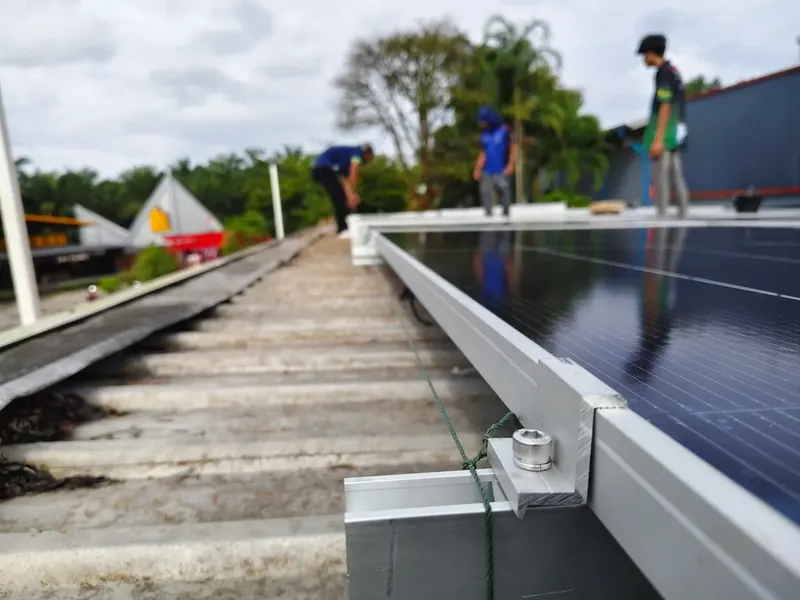
The most expensive problem a solar system can have isn't the one that shuts it down — you notice that right away and call a technician. It's the one that makes it produce a little less, bit by bit, with nothing to warn you.
Check it yourself before calling a technician
Every inverter in common use today comes with an app that shows your generation history. It's the best tool you have for a first diagnosis.
- Open the app and look at this month's daily graph. Compare it with the same month last year, if you have the data.
- Only compare days that were sunny in both periods — don't compare a rainy day with a sunny one.
- Look at the shape of the graph, not just the total, because the shape points to the cause.
Reading the shape of the graph
| What the graph looks like | Usually caused by |
|---|---|
| Evenly lower all day | Dirt across the whole array, or panels aging normally |
| Normal in the morning, drops in the afternoon | Shade from something that has grown or been built to the west |
| Short notches | A passing shadow, such as a power pole or a branch |
| Cuts out for a while, then comes back | The inverter shutting itself down because of heat or abnormal voltage |
| Drops sharply one day and stays there | A panel or a string has dropped out of the system |
Causes, from most to least common
1. Dirty panels
The most common and the easiest to fix — especially bird droppings and algae that rain won't wash off. If the panels haven't been cleaned for over a year, start here.
2. New shade
Trees growing taller, a new building next door, even a newly installed satellite dish — all cast shade that wasn't there when the system was designed. This is often overlooked because the shadow lengthens a little each year.
3. An overheating inverter
Inverters reduce their own output when they get hotter than their rated limit, to protect themselves. If yours is installed somewhere enclosed, without airflow, or in direct sun, this happens only in the afternoon on very hot days. Sometimes the fix is simply moving it or adding a sun shade.
4. Loose connections or aging cables
A loose connection increases resistance, so output drops and heat builds up at that point. This is more dangerous than the other causes because it can overheat enough to cause damage. Have a technician check it — don't try to fix it yourself.
5. A few faulty panels
A panel with internal damage drags down the output of the whole string, because the cells are wired in series. Finding which panel it is requires measuring equipment, so this is a job for a technician.
6. Normal aging
Every brand of panel produces less over time, as stated in its performance warranty — but the decline is less than one percent a year. If output has dropped noticeably within a few years, this is almost never the reason.
Before concluding that the system has a problem, compare it with the actual weather. In an unusually rainy month, output naturally falls — that isn't the system's fault.
When to call a technician
- Output is down more than 20% compared with the same period last year, with similar weather.
- The inverter shows a red light or a warning code that won't clear.
- The graph cuts out repeatedly, every day.
- You've cleaned the panels but the numbers haven't come back.
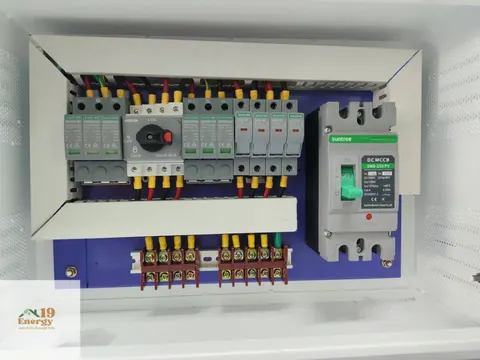
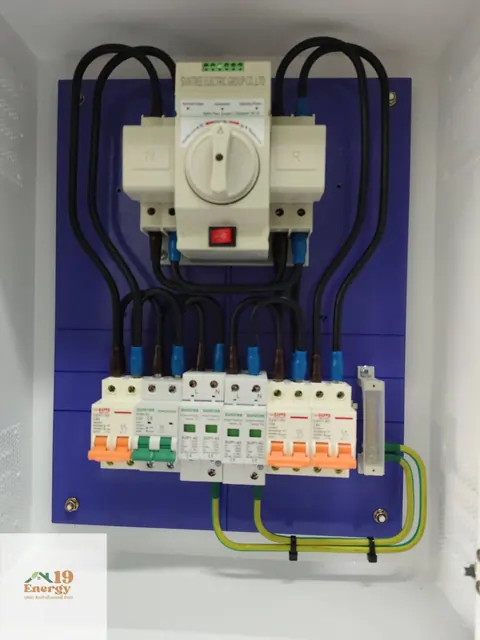
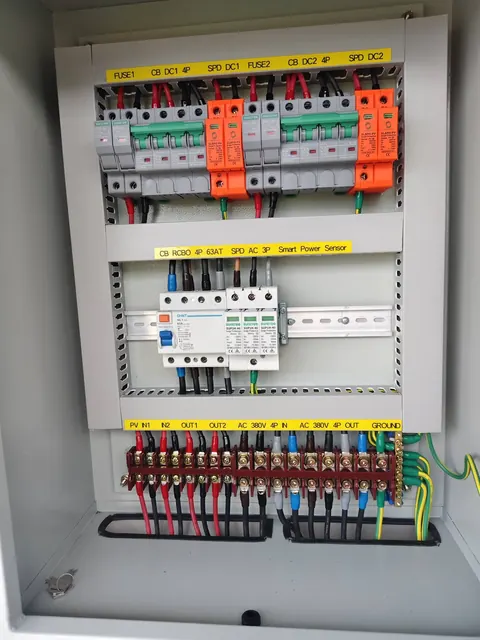
- You smell burning, see scorch marks or hear unusual noises from the control box — in that case, shut the system down and call a technician immediately.
Frequently asked questions
I don't have last year's data to compare. What do I do?
Compare with the previous month instead, choosing only days that were equally sunny. Or compare the peak output on a very sunny day with the system's installed capacity — on a bright day it should generally reach around 75 to 85% of installed capacity. If it's much lower than that, it's worth having the system checked.
Can you check a system that someone else installed?
Yes. We can inspect it and report back with photos on what should be fixed, what can be left as is, and what shouldn't be touched because it would affect the manufacturer's warranty.
Related services and areas
Keep reading
- How Often Should You Clean Solar Panels, and Why Is the South Different?Rain washes off dust, but not bird droppings or algae — and a small patch of grime cuts output more than a thin film of dust spread across the whole panel.
- Can Lightning Strike Solar Panels? The Protection You Need in Southern ThailandRooftop panels don't attract lightning the way many people fear, but surge damage from a nearby strike is real — and it can be prevented.